
Diary of a Show
Macbeth
A behind-the-scenes journey through one of our most ambitious productions — from the first table read to the final bow.
How a production comes together
Every show is built by students
When audiences take their seats, they see two hours of polished theatre. What they do not see are the months of scholarship, craft, and collaboration behind it. This diary follows our production of Shakespeare's Macbeth stage by stage, so prospective students and families can understand exactly what it means to make theatre in the North Valley Arts Academy.


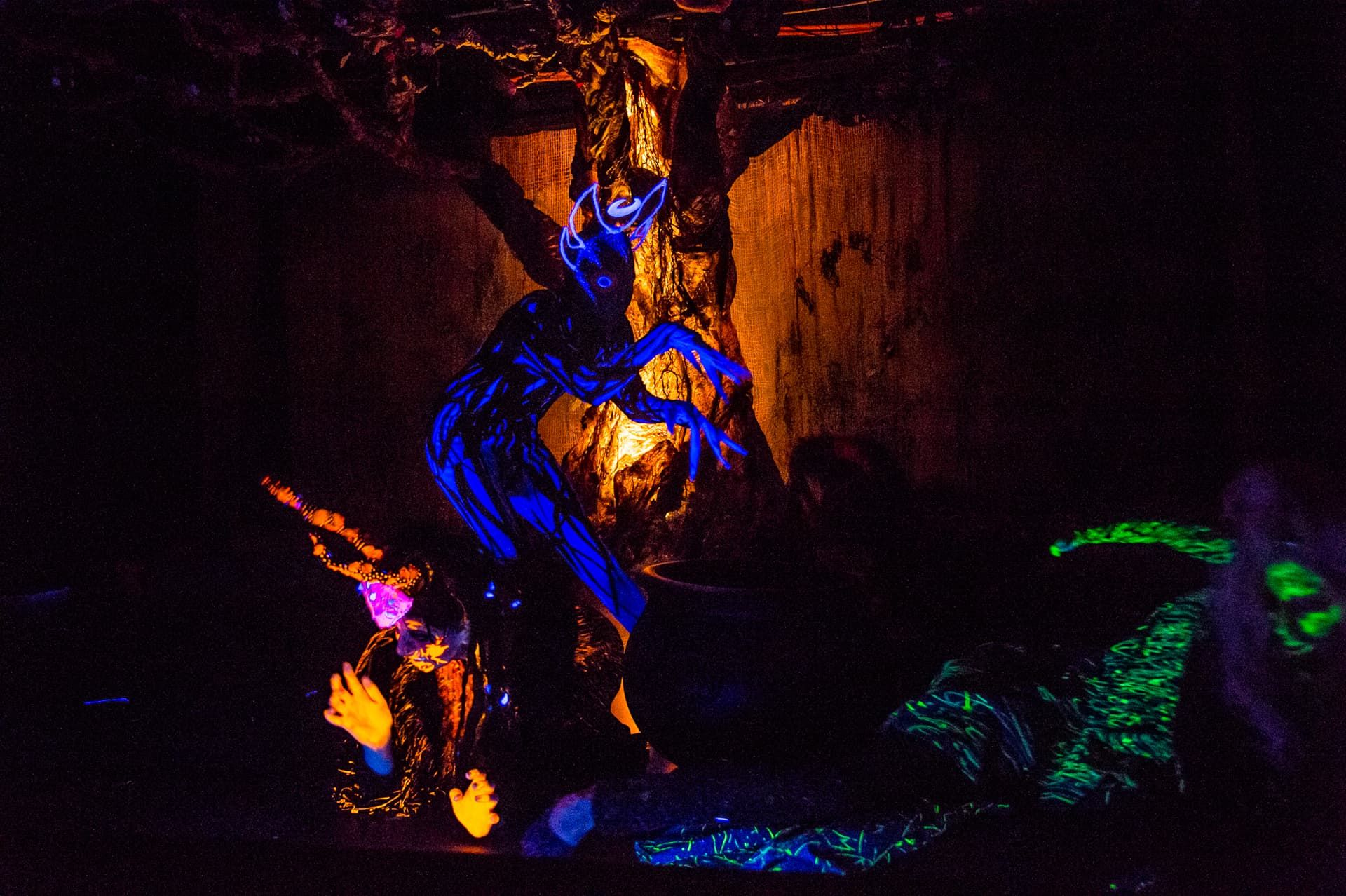
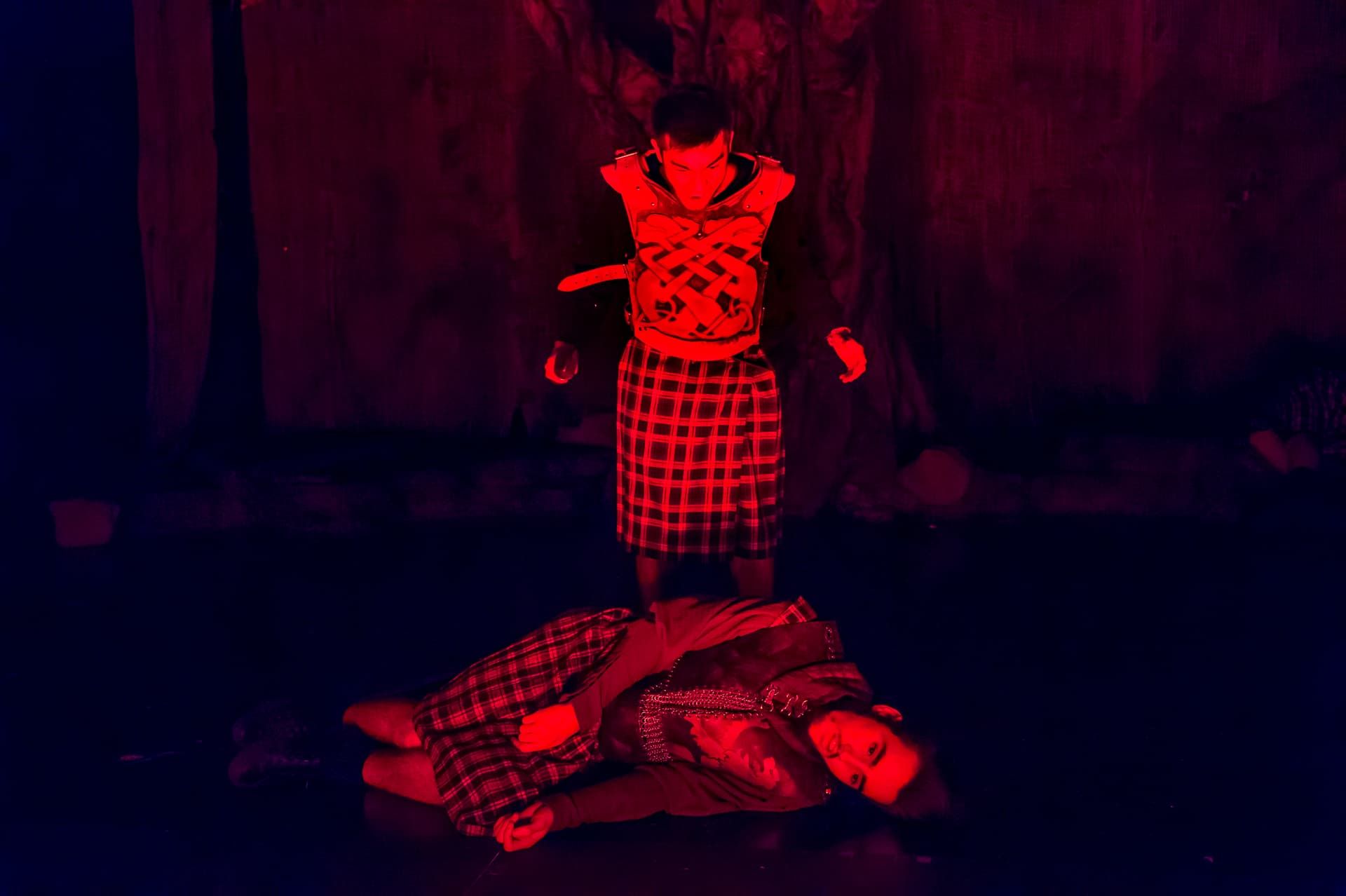

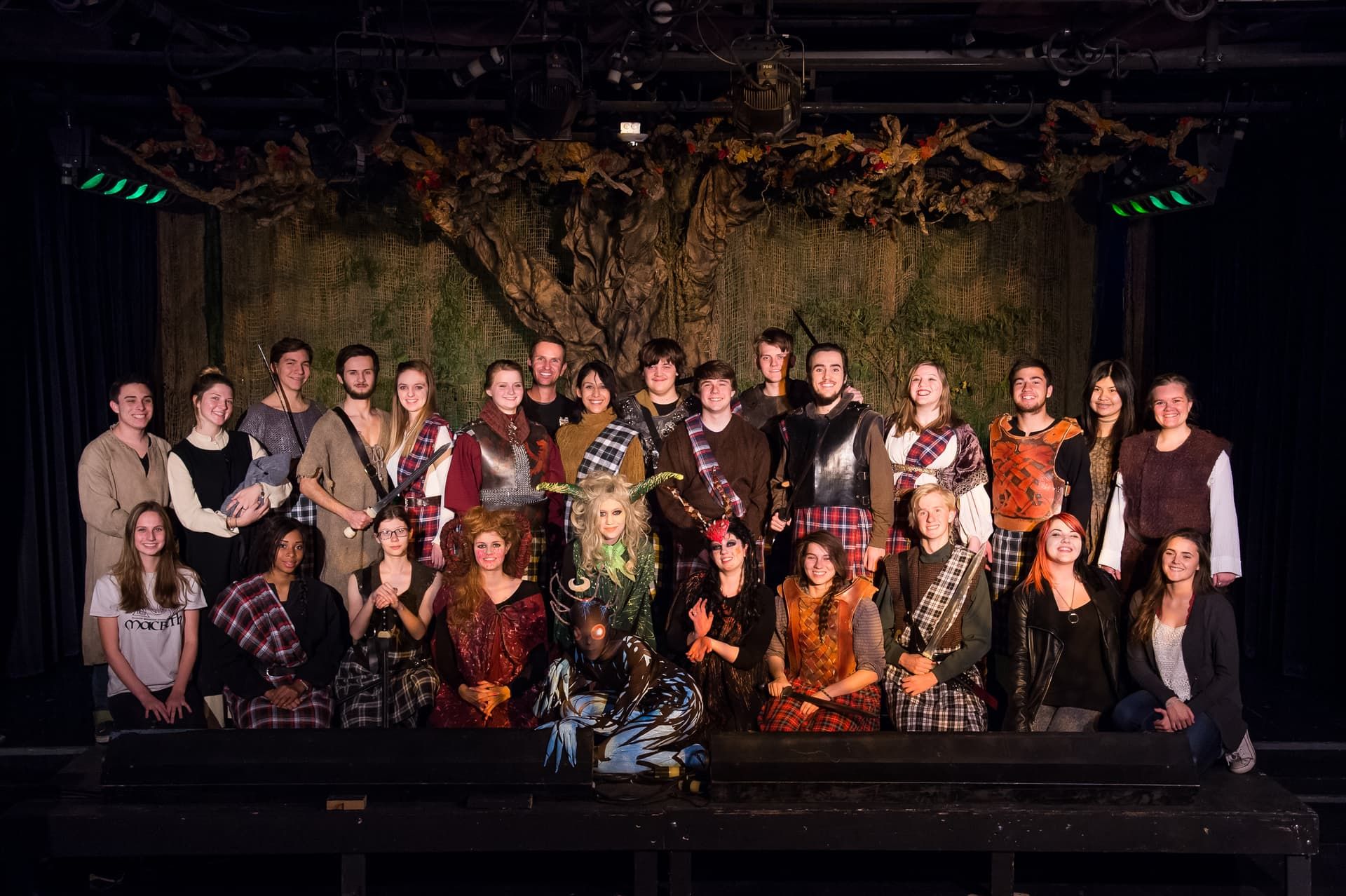
Scenes from our production of Macbeth (2016).
Auditions & Casting
Every production begins with a room full of nervous energy and monologues polished for weeks. For Macbeth, students prepared classical pieces and cold-read scenes so directors could see how they handled Shakespeare's verse. Casting a tragedy means finding not just strong actors, but an ensemble that trusts one another completely.
Table Work & Text Analysis
Before a single blocking note, the company sat around the table and translated the play line by line. What does Macbeth actually want? Where does ambition tip into paranoia? Students annotated scripts, scanned the iambic pentameter, and built the character histories that would fuel every choice on stage.
Design & Build
Our technical theatre students designed a world of fog, candlelight, and cold stone. The scenic crew built platforms and drops; the costume team aged fabrics; the lighting designers plotted a palette that grew darker with Macbeth's conscience. The centerpiece was a living tree backdrop the students built from scratch — its branches reached up and out over the audience for a creepy, immersive atmosphere.
Blocking & Fight Choreography
Macbeth lives and dies by the sword, so we brought in staged-combat training. Students learned to sell a blow safely, to fall convincingly, and to keep the audience on the edge of their seats without anyone getting hurt. Blocking rehearsals shaped the ghosts, the witches, and the famous banquet scene.
Tech Week
The infamous 'hell week' is where every department finally works as one. Lights, sound, set changes, quick costume swaps, and actors all sync up over long nights in the theatre. It is exhausting and exhilarating — the moment a collection of scenes becomes a single, breathing production.
Opening Night & Beyond
The curtain rises, the house lights fall, and months of work meet a live audience for the first time. Opening night nerves give way to the electric feedback of a crowd. By closing, the cast and crew have become a family — and every student walks away a more fearless, more disciplined artist.